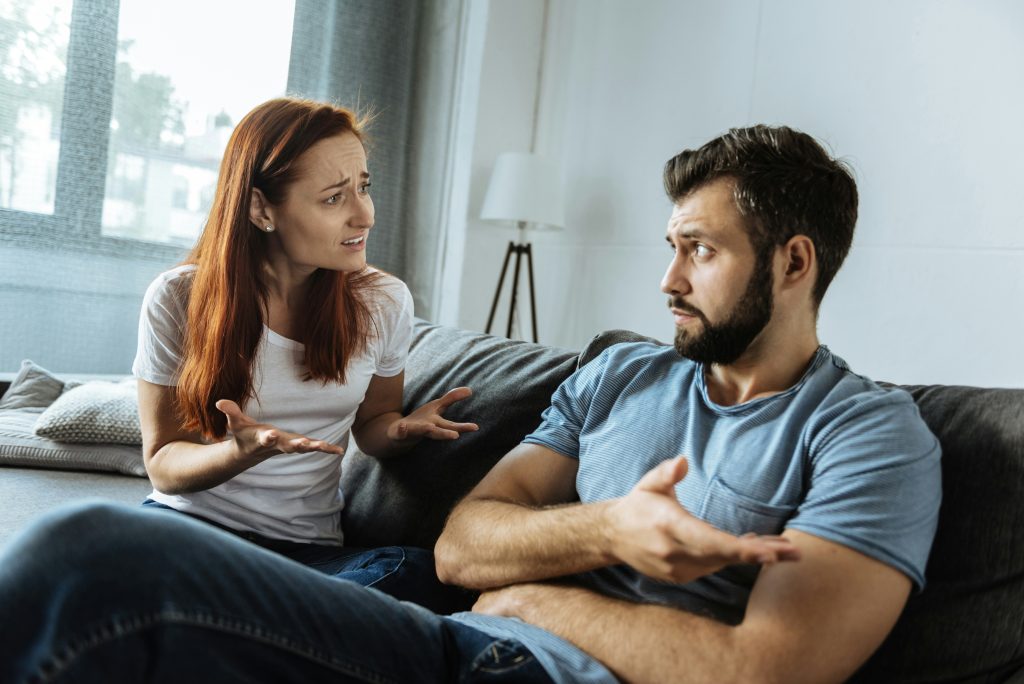
Many women in their 30s, 40s, and beyond find themselves quietly wondering:
“Why do I feel so anxious, insecure, or unsure in this relationship?”
Sometimes there’s no yelling. No name-calling. No threats.
But still — something feels off.
This may be the subtle signs of emotional abuse — a form of psychological mistreatment that can slowly erode your self-worth, confidence, and mental wellbeing.
Let’s take a closer look at what emotional abuse really is, how to spot it, and how to begin healing.
What Is Emotional Abuse?
Emotional abuse is a pattern of behavior used to control, belittle, or isolate another person. It often happens slowly and without visible harm — which makes it incredibly damaging and hard to identify.
Common tactics include:
- Criticism and judgment
- Gaslighting (denying your experience)
- Controlling behavior
- Passive-aggressive or overt punishment
- Isolation from loved ones
Emotional abuse can leave you feeling confused, exhausted, and full of self-doubt.
Keywords: emotional abuse signs • psychological abuse symptoms • subtle abuse definition
Signs You May Be in an Emotionally Abusive Relationship
You don’t need to check every box to know something is wrong. If these sound familiar, it’s worth exploring further.
1. You constantly second-guess yourself
You feel unsure about your own memory or decisions. You may start to doubt your instincts — especially if your partner often says things like, “That’s not what happened,” or “You’re overreacting.”
2. Your feelings are minimized
You’re told you’re “too sensitive” or “crazy” when you express hurt. Instead of being supported, you’re shamed or blamed for having emotions.
3. You walk on eggshells
You carefully choose your words or avoid certain topics because you fear how your partner will react.
4. There’s a pattern of control
You may need to “ask permission” to make decisions or feel punished (emotionally, financially, physically, or sexually) when you don’t behave the way your partner wants.
5. You feel isolated
You may be subtly discouraged from spending time with friends or family — often with guilt, disparagement, jealousy, or dismissiveness.
The Mental Health Impact
Living in an emotionally abusive relationship affects more than your self-esteem — it can deeply impact your mental health.
You might experience:
- Chronic anxiety or stress
- Depression or emotional numbness
- Exhaustion or sleep issues
- Increased self-doubt
- Feeling stuck or trapped
Emotional abuse doesn’t need to leave a bruise to leave a wound.
Keywords: women’s mental health • anxiety in women • depression support • coping with anxiety daily
Steps Toward Healing
If this resonates, please know: you’re not alone — and it’s not your fault.
Here are steps you can begin today:
✅ 1. Trust Your Gut
If something feels wrong, it is wrong. You don’t need “proof” to know your experience is valid.
✅ 2. Speak to Someone Safe
Confide in a therapist, friend, or support group. You deserve to be heard — and supported.
✅ 3. Educate Yourself
Learning about emotional abuse patterns can be empowering. It helps you see what’s happening clearly and take back your power.
✅ 4. Rebuild Self-Esteem
Abuse damages self-worth. Start small — journal, set boundaries, say no, pursue something just for you.
✅ 5. Explore Mental Health Resources
Counseling or therapy can help you cope, heal, and rebuild confidence. You don’t have to do this alone.
Keywords: healing from trauma • building self-esteem • personal empowerment for women • emotional healing
Final Thoughts
If you’ve felt diminished, confused, or emotionally drained in your relationship — you’re not imagining it. Subtle abuse is real and it is the foundation for further abuse, that’s why it’s important to know the signs. Healing is possible.
You deserve a life and a love that uplifts you.
If this article resonated, feel free to share it with someone who may need it too.